ul. Rumunská 12, Praha


Blog
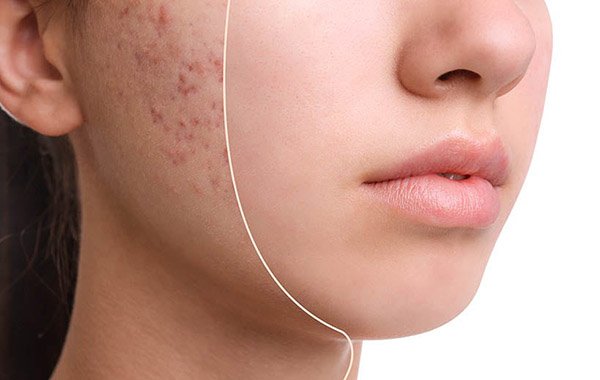
Acne and Post-Acne Treatment: Modern Methods for Skin Restoration and Quality Improvement
Acne is one of the most common skin conditions that affects not only teenagers but also an increasing number of adults. Although it is often associated primarily with puberty, acne problems can persist for many years or appear later in life due to hormonal changes, stress, lifestyle factors, or genetic predisposition.
However, acne itself is often not the only concern. After inflammation heals, the skin may be left with pigmentation spots, uneven texture, enlarged pores, or scars that affect both appearance and a person’s self-confidence. These consequences, known as post-acne, become a long-term aesthetic concern for many patients.
Modern aesthetic medicine offers a wide range of options for treating active acne and its consequences. Through a combination of professional procedures, proper home skincare, and an individual approach, it is possible to significantly improve skin quality, even out its appearance, and restore a healthier skin structure.
Why Does Acne Develop?
Acne develops as a result of several factors that affect sebaceous gland activity, the condition of the skin barrier, and processes occurring within the skin. One of the main mechanisms is excessive sebum production, which leads to clogged pores.
Bacteria can then multiply inside blocked pores, causing inflammatory reactions. This results in blackheads, whiteheads, inflamed pimples, or deeper subcutaneous inflammation.
The most common causes of acne include:
- hormonal changes;
- genetic predisposition;
- increased sebum production;
- stress and lack of sleep;
- unsuitable skincare products;
- certain dietary habits;
- impaired skin barrier function.
It is important to understand that acne is not only a cosmetic issue. Incorrect or delayed treatment can lead to permanent skin changes that require targeted professional care.
What Is Post-Acne and Why Does It Develop?
Post-acne refers to changes that remain on the skin after acne has healed. The most common forms include pigmentation spots, redness, and different types of scars.
Acne scars mainly develop as a result of deep inflammation that damages the skin structure. During healing, the body attempts to restore the damaged tissue, but sometimes collagen production becomes uneven. This can result in depressed scars, uneven skin texture, or raised scars.
Post-acne pigmentation occurs as a reaction of the skin to inflammation. Although these spots often fade naturally over time, their removal may take several months or even longer.
Modern aesthetic procedures can significantly reduce these effects and support faster skin regeneration.
Chemical Peeling: Skin Surface Renewal
Chemical peeling is one of the commonly used methods for treating acne and post-acne. The procedure involves applying special acids to the skin, which help remove dead skin cells and activate renewal processes.
Depending on the type of substance used and its concentration, the peeling can work at different depths. Some types focus mainly on surface imperfections, while others help address more significant changes in skin texture.
Chemical peeling can help:
- improve skin texture;
- reduce enlarged pores;
- even out skin tone;
- reduce pigmentation spots;
- support skin regeneration after acne.
A major advantage of this method is the ability to customize the procedure according to the individual skin type. A specialist selects the appropriate type of peeling based on the current condition of the skin and the desired result.
Laser Methods for Treating Acne Scars
Laser technologies are among the most effective methods for improving the appearance of acne scars. Modern lasers work by creating controlled effects on selected skin layers, which activates natural regeneration processes.
During the healing process, collagen production increases and the skin structure is renewed. Gradually, the skin surface becomes smoother and overall skin quality improves.
Fractional laser treatment is often used for:
- deeper acne scars;
- uneven skin texture;
- enlarged pores;
- signs of premature aging.
Results appear gradually over several weeks or months because the skin needs time for natural regeneration.
Mesotherapy and Skin Regeneration
Mesotherapy is another method that can improve the condition of skin affected by acne. During the procedure, active ingredients such as hyaluronic acid, vitamins, antioxidants, or substances that stimulate collagen production are introduced into deeper layers of the skin.
This method is especially suitable for patients who want to improve overall skin quality, increase hydration, and support regenerative processes.
Mesotherapy can help:
- improve skin elasticity;
- restore a healthier appearance;
- stimulate collagen production;
- reduce minor irregularities;
- improve skin structure.
It is often combined with other methods to achieve a more comprehensive result.
Modern Approaches to Managing Active Acne
When treating active acne, it is important not only to eliminate visible symptoms but also to address the causes behind them. The foundation of treatment is properly selected skincare that takes into account the current condition of the skin.
Unsuitable cosmetic products or overly aggressive cleansing can damage the skin barrier and worsen the situation. Therefore, an individual approach and the correct selection of products are essential.
In some cases, a specialist may recommend combining home skincare with professional procedures that help regulate sebum production, reduce inflammation, and support healthy skin renewal.
The Importance of an Individual Approach
Every person’s skin reacts differently to acne. Some patients mainly deal with active inflammation, while others struggle with pigmentation or scars. Therefore, there is no single universal method that is ideal for everyone.
Before starting treatment, a professional consultation is important, during which a specialist evaluates:
- skin type;
- extent of damage;
- acne activity;
- depth of scars;
- patient expectations.
Based on this information, an individual treatment plan can be created that combines appropriate procedures and home skincare.
A combined approach often provides the best results. While one method may address pigmentation, another can stimulate collagen production or improve skin texture.
How to Care for Skin After Treatment?
Proper home skincare is an important part of successful acne and post-acne treatment. Even modern aesthetic procedures cannot completely replace daily skin care.
The basic recommendations include:
- regular but gentle skin cleansing;
- using suitable moisturizing products;
- daily protection from UV radiation;
- avoiding aggressive mechanical irritation;
- using active ingredients according to specialist recommendations.
Sun protection is especially important because UV radiation can worsen pigmentation spots and slow down the skin regeneration process.
Conclusion
Acne and post-acne treatment today offers many effective options that can significantly improve skin appearance and quality. Modern aesthetic medicine uses chemical peels, laser technologies, mesotherapy, and other methods to address not only active acne but also its long-term consequences.
The key factors for successful treatment are timely care, accurate diagnosis, and an individually designed treatment plan. Every skin type has its own specific needs, which is why the best results come from combining professional procedures with regular home skincare.
With modern treatment methods, it is possible to restore smoother skin texture, even out the appearance of the skin, and achieve a healthier, fresher complexion without noticeable traces of previous skin problems.

BEAUTYSHAPE Prague
Medical & Aesthetic Clinic
Professional aesthetic services, experienced doctors, pleasant environment, superior equipment.
We work in the field of beauty since 2004.